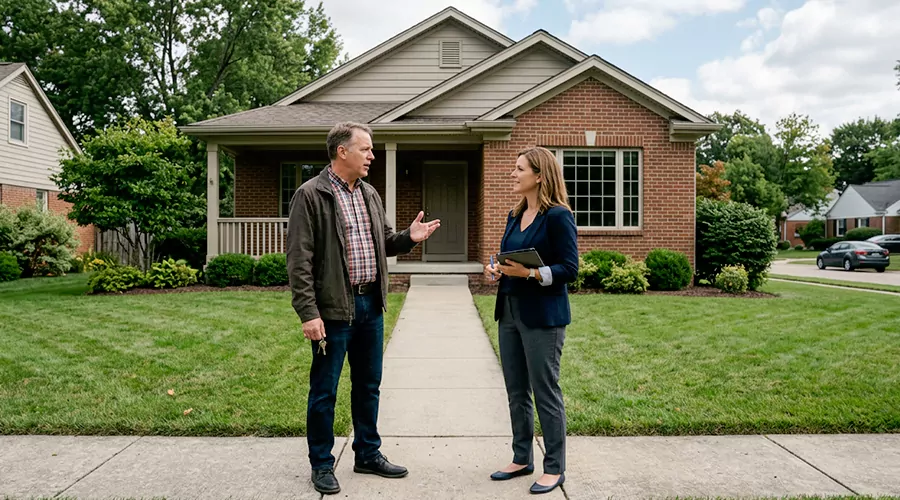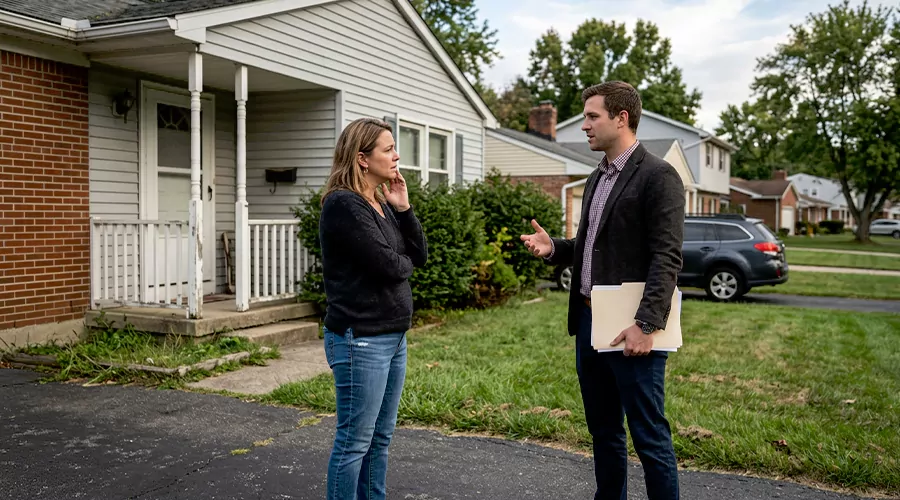


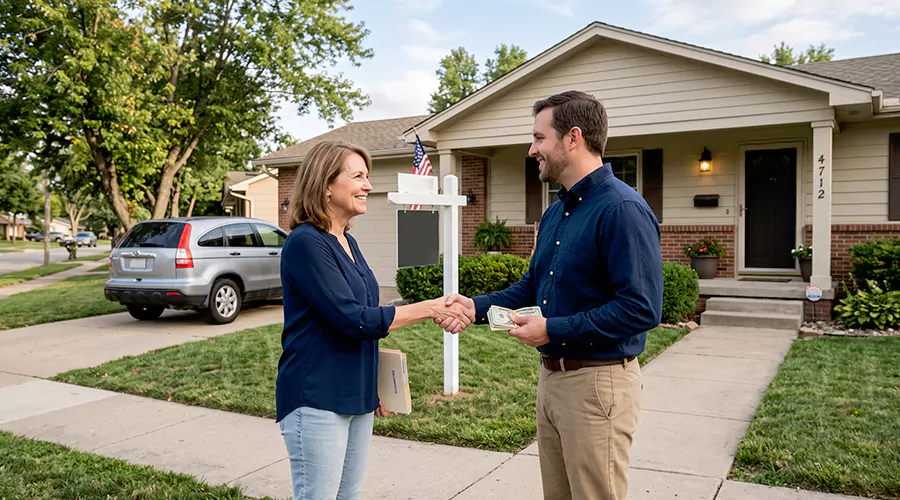
Selling a house for cash works by transferring the property to a buyer who uses available funds instead of mortgage financing. The process usually involves requesting an offer, verifying the buyer's funds, signing a purchase agreement, completing title checks, and closing the sale. A straightforward cash transaction can sometimes close within 7 to 21 days.
Cash transactions can reduce financing delays, but they still require legal paperwork. Understanding each stage helps homeowners avoid unexpected deductions and contract problems.
Understanding the Cash Home Selling Process
A cash home sale follows many of the same legal steps as a traditional real estate transaction. The main difference is that the buyer doesn't depend on a mortgage lender to provide the purchase money.
Cash buyers may be individual investors or companies purchasing residential properties. Some specialize in houses that need extensive repairs. Others prefer properties in better condition. The seller and buyer agree on a purchase price and closing terms. A title or settlement company then coordinates the ownership transfer and payment.
Step-by-Step Process of Selling a House for Cash
A typical cash transaction involves several stages before ownership changes. Each stage helps establish the property value and confirm that the transaction can close.
- Initial property information: The homeowner provides the address and describes the property's condition.
- Property evaluation: The buyer reviews comparable sales and estimates necessary repairs.
- Initial cash offer: The buyer presents a proposed purchase price.
- Property walkthrough: Some buyers inspect the home before confirming their final offer.
- Written agreement: Both parties review the purchase terms and closing date.
- Title examination: The settlement company checks ownership and outstanding claims.
- Closing preparation: Required documents and payment arrangements are finalized.
- Property transfer: The seller signs the documents and receives the agreed proceeds.
The timeline depends on the buyer's readiness and the property's legal condition.
How Cash Buyers Determine Property Value?
Cash buyers estimate a property's value by examining recent comparable sales and its current condition. Buyers planning renovations also consider the cost of improvements and their expected investment return.
A house needing expensive structural repairs may receive a lower offer than a similar property in good condition. For example, a home with an estimated repaired value of $250,000 might require $40,000 in renovations. The buyer must also account for holding expenses and resale risks. These factors influence the proposed purchase price.
There is no universal formula that every legitimate buyer follows.
Cash Sale vs. Traditional Home Sale
Cash and mortgage-financed transactions have different requirements. Cash sales generally remove lender underwriting and financing contingencies, but other conditions may still apply.
| Factor | Cash home sale | Mortgage-financed sale |
|---|---|---|
| Buyer financing | Available funds | Mortgage approval |
| Lender appraisal | Usually unnecessary | Often required |
| Closing period | Sometimes 7–21 days | Commonly 30–45 days |
| Property repairs | Some buyers accept as-is | Depends on buyer and loan |
| Financing risk | No mortgage contingency if genuinely all-cash | Mortgage approval may fail |
| Legal title transfer | Required | Required |
The faster process doesn't automatically make a cash offer financially better. Homeowners should compare the amount they expect to receive after expenses.
Documents Required Before Closing
Selling for cash doesn't remove the need for legal documentation. The property must still be transferred according to applicable state requirements.
Common documents include:
- Proof of ownership or existing deed
- Government-issued identification
- Signed purchase and sale agreement
- Required seller disclosure statements
- Mortgage payoff information when applicable
- Relevant tax and lien information
- Final settlement statement
Properties built before 1978 may also require federal lead-based paint disclosures when the law applies.
The settlement company uses these documents to prepare the closing and determine the funds available to the seller.
How Long Does a Cash Sale Take?
A straightforward cash sale may close within one to three weeks. Some buyers can close faster when funds are available and the title is clear. However, the absence of mortgage underwriting doesn't eliminate every possible delay.
For example, an inherited house may require probate documentation before its ownership can transfer. An outstanding lien may also need resolution. The closing date should be written into the purchase agreement. Homeowners who need additional moving time can negotiate a later date before signing.
Understanding Closing Costs and Net Proceeds
The purchase offer is not necessarily the amount the homeowner receives. Mortgage balances and other required payments may be deducted at closing.
Consider this hypothetical transaction:
| Transaction item | Example amount |
|---|---|
| Agreed cash purchase price | $200,000 |
| Mortgage payoff | $75,000 |
| Seller closing expenses | $3,000 |
| Estimated net proceeds | $122,000 |
The figures are illustrative rather than standard transaction charges. Some cash buyers agree to pay certain closing costs. Others expect the seller to cover specific expenses. The written agreement determines how those costs are allocated.
Warning Signs During a Cash Transaction
A legitimate cash sale should have clear written terms and a verifiable payment process. Homeowners should watch for unusual conditions before committing.
- The buyer refuses to provide credible proof of funds.
- The offered price changes without a clear explanation.
- The agreement contains unfamiliar cancellation provisions.
- The buyer requests a large unexplained upfront payment.
- The purchaser's legal identity cannot be verified.
- The contract allows unrestricted price reductions.
- The closing process avoids an independent settlement provider.
- The buyer pressures the homeowner to sign immediately.
A cash offer does not guarantee a completed sale. Contract terms and buyer reliability still matter.
When Professional Guidance Is Helpful?
A real estate attorney can review unfamiliar contract terms or complicated ownership arrangements. Title professionals can also investigate liens and prepare settlement documents.
Professional advice is particularly useful when several people own the house or an estate is still being administered. The goal is to understand the legal obligations before transferring ownership.
Preparing for a Smooth Cash Closing
Homeowners can reduce avoidable delays by gathering ownership documents before requesting offers. Keep mortgage details available and identify any known title problems.
Read the purchase agreement carefully and confirm who pays each closing expense. Verify the buyer's funds through a credible source. Keep copies of signed paperwork and confirm the settlement company's instructions before transferring sensitive information.
A Clear Process Starts With a Verified Buyer
Selling a house for cash can shorten the transaction by removing mortgage financing requirements. However, the sale still depends on a clear title and enforceable agreement. Compare written offers and verify available funds before committing. Professional guidance can help when ownership or contract terms become complicated. This week, gather your property documents and identify any existing mortgage or lien obligations.