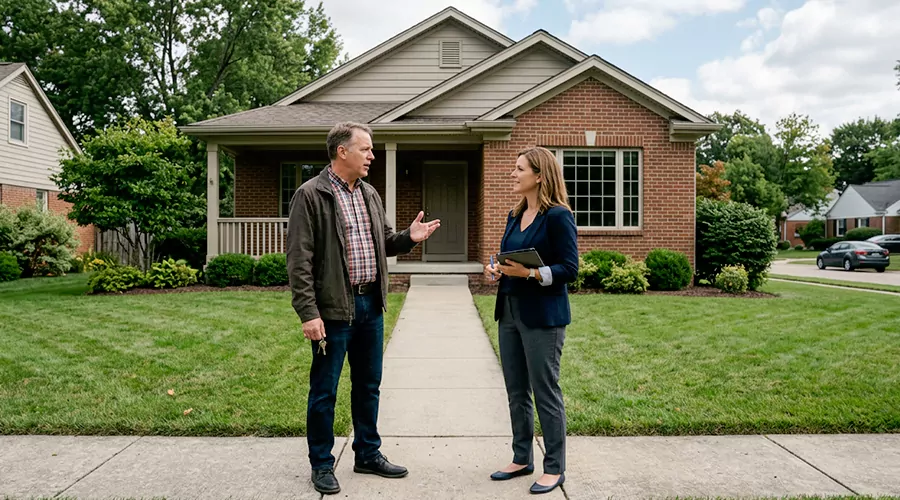


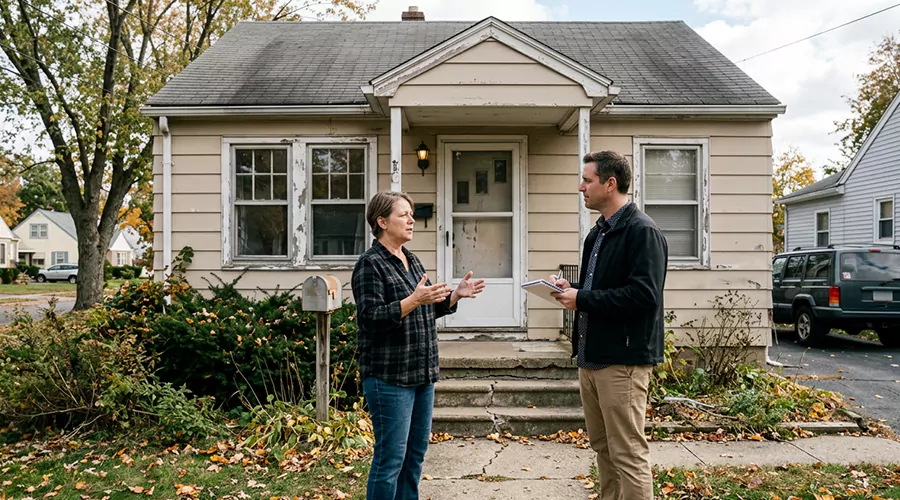
Yes, you can sell a house without making repairs by offering it in its current condition and agreeing with a buyer that you will not complete improvements before closing. If you want to sell distressed property, disclose its condition, review any outstanding liens, and find buyers willing to purchase properties that need repairs. The buyer may account for needed work in the purchase price. An as-is agreement does not automatically remove your duty to disclose known defects. This approach can reduce renovation spending and preparation time. Whether it makes financial sense depends on the property's condition and what buyers will pay for it today.
What Selling Without Repairs Really Means
An as-is sale describes the condition the buyer agrees to accept. It generally means the seller is not committing to fix an old roof or replace worn flooring before the transfer. However, the contract can still allow inspections and give the purchaser a chance to cancel before an agreed deadline. The phrase does not make the property free of defects. Buyers may look closely at damaged components and offer less to cover the work they expect to undertake. Read the inspection and repair provisions instead of relying on the words as-is alone.
Which Homes Can Be Sold in Their Current Condition?
Homes with cosmetic wear can often be sold without renovation. Some investors also consider properties with serious structural concerns or outdated building systems. The extent of damage affects the group of interested purchasers and their proposed prices.
| Property condition | Likely buyer concern | Helpful information |
|---|---|---|
| Worn flooring | Replacement cost | Clear room photographs |
| Aging roof | Remaining service life | Prior inspection records |
| Plumbing leaks | Hidden moisture damage | Known leak history |
| Foundation cracking | Structural repair scope | Existing engineer report |
| Outdated kitchen | Renovation budget | Accurate condition description |
A house can be saleable even if a mortgage-financed buyer cannot obtain approval in its present condition. A genuine cash purchaser avoids lender property-condition requirements but still assesses the risks.
How to Find Buyers Who Accept Repairs
Start by identifying direct buyers that explicitly purchase houses as-is. Check whether they accept your particular property condition before scheduling an assessment. Some businesses focus on light cosmetic projects and will not purchase homes requiring major reconstruction. Compare more than one written offer when practical. Verify each purchaser's legal identity and available funds, then read any inspection conditions that could permit a later price reduction. A high initial estimate is less useful when the final price can change without clear limits.
Steps to Sell Without Renovating First
An organized sale begins with accurate condition information and ownership records. You do not need to create a remodeling plan, but you should understand the defects you already know about.
- List known problems and identify affected rooms.
- Gather existing inspection reports and repair receipts.
- Review recently sold comparable houses in your area.
- Contact buyers who purchase properties as-is.
- Request written offers with the inspection terms included.
- Check proof of funds and the purchaser's legal name.
- Review required disclosures and settlement charges.
- Complete title work and the agreed closing documents.
Avoid saying that a system works when you have not tested it. A careful description protects the transaction better than an optimistic guess about the home's condition.
Should You Fix Small Problems Anyway?
A minor repair may improve presentation, but it will not always increase the offer by more than its cost. For example, replacing damaged flooring before selling to an investor could be wasted spending if the buyer plans to renovate the entire room. Ask what the buyer actually values before ordering work. Safety is a separate concern. Keep visitors away from unstable steps or exposed electrical hazards while the property is being shown. Taking reasonable precautions is different from promising a complete renovation before closing.
The Price Difference Between Selling As-Is and Repairing
Selling without repairs often produces a lower purchase price because the buyer assumes the work and its uncertainty. Yet a larger traditional sale price does not necessarily translate into much higher proceeds. Renovation spending and selling expenses can narrow the gap.
| Hypothetical sale | As-is cash offer | After-repair sale |
|---|---|---|
| Purchase price | $185,000 | $225,000 |
| Repairs paid by seller | $0 | $28,000 |
| Other selling expenses | $3,000 | $11,000 |
| Proceeds before mortgage payoff | $182,000 | $186,000 |
These are illustrative 2026 dollar amounts, not average market rates. The repaired route leaves $4,000 more in this example but requires upfront spending and additional time. Evaluate realistic estimates for your own house.
What Disclosures Are Required in an As-Is Sale?
State law may require sellers to disclose known material defects even if no repairs are promised. A buyer accepting the current condition does not give the seller permission to conceal past flooding or structural problems. The exact form and obligations depend on where the property is located. For most residential housing built before 1978, federal law also requires specific lead-based paint information and documents unless an exemption applies. These requirements can affect a direct cash transaction just as they affect a listed sale. Preserve existing inspection records and answer required disclosures truthfully.
How Long Does the Sale Take?
The timeline depends more on buyer readiness and title clearance than on the as-is label. A cash buyer may avoid mortgage underwriting, but settlement still requires ownership verification and any existing mortgage payoff. In uncomplicated cases a closing might occur within a few weeks, while liens can extend the process. Discuss the move-out date before signing. An offer promising a quick closing may create difficulties when you need time to relocate. The purchase agreement should state when possession changes and what happens if either party misses a deadline.
When Professional Guidance Makes Sense
A real estate attorney can review unfamiliar as-is provisions and explain local disclosure requirements. A title professional can investigate recorded liens or an ownership issue that might delay closing. An independent inspection may also clarify major structural concerns when potential buyers provide sharply different repair estimates. These services can be particularly useful for inherited properties or houses affected by insurance claims. Resolve uncertainty before signing rather than assuming every buyer's written terms are identical.
Decide Using the Money You Will Keep
You can sell without making repairs, but the decision should reflect the property's realistic value and the cost of the work you avoid. Compare complete written offers rather than only the highest number. An as-is sale still requires honest disclosures and a proper closing. This week, document known problems and calculate what a repaired sale would actually leave after expenses.